Key Takeaways
- Dilating drops widen your pupils so the doctor can see the back of your eye.
- Close-up vision turns blurry and bright light feels harsher for a few hours.
- Dilation lasts about three hours on average, though it varies from person to person.
- Sunglasses and a planned ride home can make the trip easier.
- Hold off on reading, fine detail work, and machinery until the drops wear off.
Driving Might Not Be the Best Choice
Your eye exam wraps up at Focal Point Comprehensive Vision Care, the drops are already in, and your car keys are sitting in your pocket. Now you’re wondering whether it’s safe to get behind the wheel.
We don’t recommend getting behind the wheel after an eye dilation exam. Blurry vision and light sensitivity can make driving unsafe, so a planned ride is a good choice, especially if you’re not sure how your eyes will react.
Understanding what happens during a dilated eye exam can help you plan the rest of your day.
What Happens When Your Eyes Are Dilated
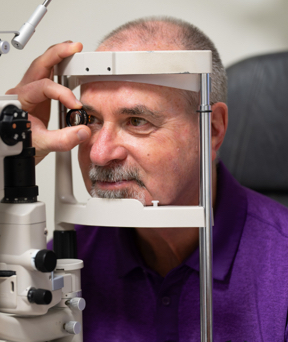
You sit back in the chair, your eye doctor puts a drop in each eye, and a few minutes later the room looks a little brighter. That’s dilation at work.
These drops relax the muscles that control your pupils, causing them to open wider than usual. When your pupils are wider, your optometrist can more easily see the retina, optic nerve, and blood vessels at the back of your eye. This helps them catch early signs of eye conditions.
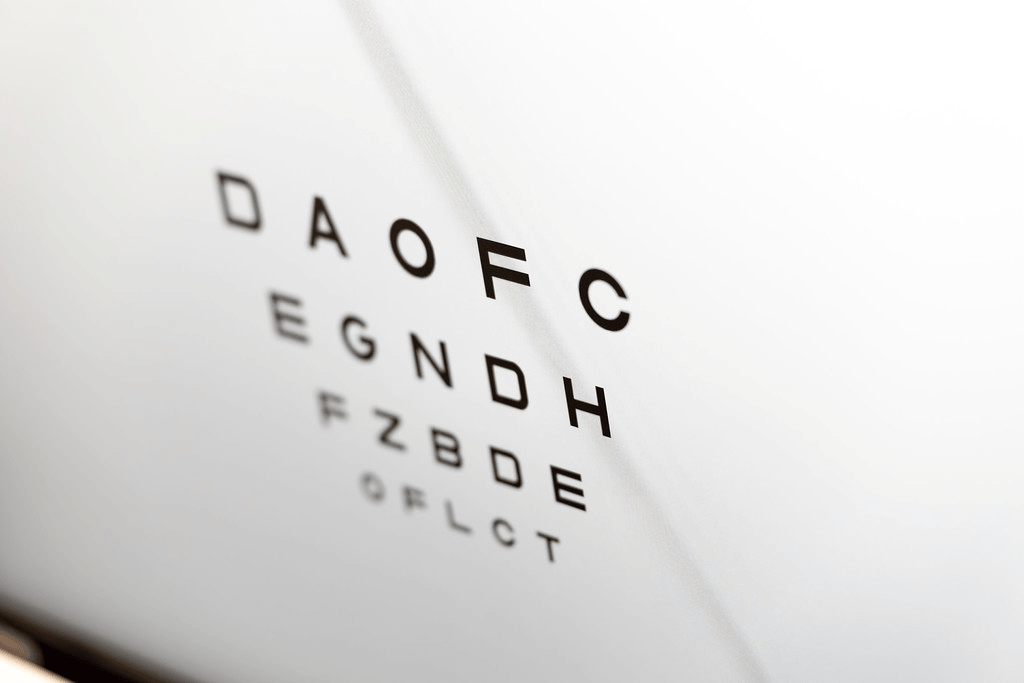
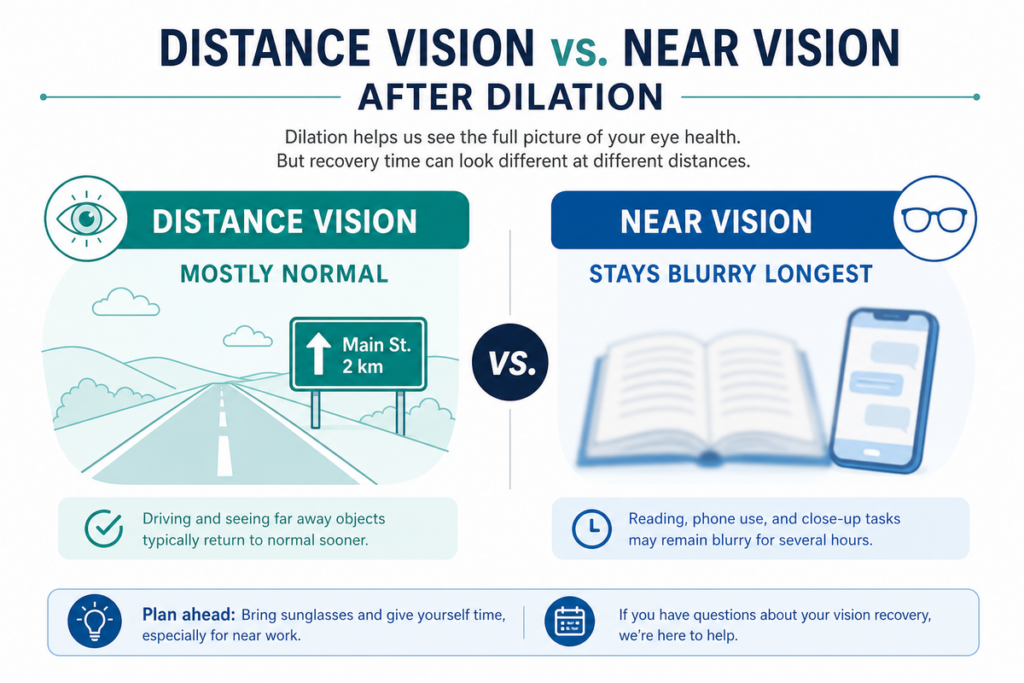
Dilated eyes often struggle with near vision, though distance vision is less affected. Light sensitivity is also a common effect.
How Dilated Eyes Affect Your Driving
When your eyes are dilated, they let in more light than usual. That can make sunlight, headlights, and even a bright dashboard uncomfortable or even blinding to look at.
You might notice a few changes behind the wheel:
- Extra glare from bright light and reflections
- Blurry vision when you look at anything close-up, like your speedometer or phone
- Trouble reading road signs until you’re right next to them
Things to Think About Before You Drive
Start with how you feel. If your eyes are light sensitive or the road looks fuzzy, these are signs that you probably shouldn’t drive.
Weather and road conditions matter too. A sunny afternoon or a busy highway asks more of your eyes than a short, shaded drive. If this is your first time getting dilated, you don’t know yet how your eyes might react, so plan for stronger effects rather than milder ones.
How Long Dilation Lasts
Most people find that the effects of eye dilation fade in about 3 hours. However, this is just an average.
For some people, the drops can wear off in as little as 45 minutes. For others, blurry near vision and light sensitivity stick around for most of the day. On occasion, a bit of the effect lingers into the next morning, especially for people with lighter-coloured eyes.
Tips for a Safe Ride Home
A little planning goes a long way. These steps can make the trip home smoother.
- Bring sunglasses to cut the glare, and keep them handy for the walk to your car.
- Arrange a ride ahead of time if you’re unsure how your eyes might react.
- Wait in the office for a few minutes until the drops settle and you can gauge your vision.
A short wait or a quick call to a friend beats squinting through glare on the way home.
What to Avoid After Eye Dilation
A few tasks are worth putting off until your eyes return to normal.
- Skip close-up reading and fine detail work, since near vision stays blurry the longest.
- Hold off on operating machinery or tools that need sharp focus.
- Limit time in bright sunlight or wear sunglasses when you head outdoors.
Once the drops wear off, your vision returns to how it was before, and you can pick up where you left off.
If you have questions about your next eye exam or want to know what to expect from dilation, the team at Focal Point Comprehensive Vision Care can walk you through it. Contact us today and plan your ride home ahead of time.