
Key Takeaways
- Eyelid pain often comes from a stye, blepharitis, pink eye, dry eye disease, or something small like an eyelash.
- Many of these issues clear up on their own, while others need care from an eye doctor.
- A warm compress and gentle eyelid hygiene can help soothe soreness at home.
- Never pop or squeeze a stye.
- Sudden vision loss, severe pain with nausea, or any eye injury needs urgent care.
You blink and notice a sore, tender spot along your eyelid. Maybe it stings every time you close your eyes, or a small bump has popped up near your lashes. Eyelid pain is one of the concerns the team at Focal Point helps patients with across Morden and surrounding communities, and an eye exam can help identify the underlying cause.
Your eyelid often hurts because of a stye, blepharitis, pink eye, dry eye disease, or a small bit of debris like an eyelash. Many of these clear up with gentle home care. When soreness lingers or keeps coming back, a comprehensive eye exam can help pin down what’s going on.
What Causes Eyelid Pain?
A sore eyelid can come from several places. Some causes clear up on their own, while others need a closer look from an optometrist.
Blepharitis
Blepharitis starts near the base of your eyelashes. Scaly clumps can build up along your lash line and make your eyelids feel sticky and crusty.
You may also notice itchy eyelids and a scratchy, uncomfortable feeling each time you blink.
Pink Eye, Dry Eye, and Debris
Other sources of eyelid soreness include the following:
- Pink eye can leave your eyes sore, gritty, and red.
- Dry eye disease can make every blink sting as your eyelid moves over a dry surface.
- Debris, even a single tiny eyelash, can cause sharp pain when it gets caught in your eye.
Eyelid Pain With a Headache
Sometimes eyelid pain shows up alongside a headache. Cluster headaches cause severe pain in or around one eye, usually on one side of the head. They may also cause redness, tearing, swelling around the eye, or a drooping eyelid on the affected side.
What Is a Stye?
A stye is a small, sore lump on your eyelid. It can feel tender when you touch it or blink. Styes are often linked to bacteria on your skin.
The good news is they’re usually harmless to your vision and often heal on their own.
Outer vs. Inner Styes
An outer stye starts as a small spot near the base of an eyelash. An inner stye forms under your eyelid.
An internal stye develops inside the eyelid, usually in an oil gland. Sometimes, the inflammation can lead to a chalazion, which is a firm lump caused by a blocked oil gland.
Why Styes Form
Styes usually develop when bacteria infect an eyelash follicle or an oil gland in the eyelid. Conditions such as blepharitis and rosacea may increase your chances of developing a stye.
How to Soothe a Sore Eyelid at Home
Mild eyelid soreness often eases with gentle care at home. These steps can help you feel more comfortable:
- Hold a clean, warm compress on your closed eyelid for 10 minutes, 4 times a day.
- Leave a stye alone and never pop or squeeze it.
- Use eye drops to help soothe dryness.
- Run a humidifier to add moisture to the air in your home.
- Take regular breaks from screens to give your eyes a rest.
Simple Habits to Help Prevent Styes
A few daily habits can help reduce your chances of another stye. If you experience recurring styes, your optometrist may recommend gently cleaning your eyelid margins with a dedicated eyelid cleanser. Wash your hands before touching your eyes, and reach for a clean towel each time you wash your face.
Your makeup bag matters too. Replace old makeup, and avoid sharing mascara, eyeliner, and other eye cosmetics.

When to See Your Eye Doctor
Home care helps many people. Still, some signs point to a visit with your optometrist.
Signs to Book an Appointment
Book an eye exam if you notice any of these signs:
- Your eyelid pain persists or keeps getting worse.
- Your eyelid swelling doesn’t improve or continues to worsen.
- Styes keep coming back.
Signs You Need Urgent Care
Seek urgent care right away if you notice any of these signs:
- You have sudden vision loss or see halos around lights.
- You feel severe eye pain with nausea or vomiting.
- Your eye has any injury, chemical splash, or burn.
- You notice significant redness, warmth, or swelling around your eyelid.
- You experience sensitivity to light.
- You notice sudden changes in your vision.
What to Expect at Your Eye Exam
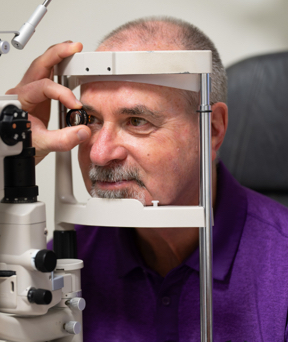
Your appointment starts with a conversation about your symptoms and medical history, like when the soreness began and whether you’ve had styes before.
Next, the optometrist carefully examines your eyelids and the surface of your eyes.
Depending on what the optometrist finds, treatment may include managing the stye, removing a stray eyelash, or referring you for additional care if needed. The optometrist can also share tips to help you manage soreness at home.
Book an Eye Exam in Modern
A sore eyelid can make reading, driving, and even blinking feel like a chore. If your eyelid pain persists, worsens, or keeps returning, the team at Focal Point can help you find out what’s behind it. Book an appointment with Focal Point today, and get the care you need to help relieve your discomfort and protect your eye health.