
Key Takeaways
- An eye twitch is an eyelid spasm you can’t control, and it usually affects one eye at a time.
- Stress, poor sleep, caffeine, alcohol, screen time, and dry eyes are all linked to eyelid twitching.
- Better sleep, screen breaks, and less caffeine can help calm a twitch at home.
- See an eye doctor if the twitch persists, spreads, or comes with pain, redness, or vision changes.
- An eye exam can help find what’s behind the twitch and guide your care.
You’re reading a page or chatting with a friend, and your eyelid starts to flutter on its own. Nobody else seems to notice, but you can feel every little twitch. The team at Focal Point Comprehensive Vision Care hears about this often from patients in Morden and surrounding communities.
An eye twitch is usually a harmless eyelid spasm linked to everyday factors like stress, tiredness, caffeine, screen time, or dry eyes. Small changes at home can often help it settle. If it hangs around, a comprehensive eye exam can help the doctor look for other reasons behind it.
What Is an Eye Twitch?
An eye twitch is a spasm in your eyelid that you can’t control. It can show up in your upper or lower lid, and it usually affects one eye at a time.
It feels odd, like a tiny flutter under your skin. Typically, it’s painless and harmless, even if it pulls your focus during a meeting or while you read to your kids.
How Long an Eye Twitch Lasts
Each twitch lasts a few seconds to a few minutes. It may come and go throughout the day, often returning just as you’ve forgotten about it. In many cases, the twitch fades on its own over a few days to a few weeks.
Common Reasons for an Eye Twitch
An eye twitch can often be linked to everyday habits and lifestyle factors.
Stress and Fatigue
A tough week at work or a sick child at home can leave your whole body tense. Emotional or physical stress is linked to eyelid spasms.
Twitching can also happen when you’re not getting enough sleep, so if your eyelid starts jumping after a few late nights, your body may be asking for rest.
Caffeine and Alcohol
That third cup of coffee might help you get through the afternoon, but too much caffeine can contribute to eyelid twitching. However, high caffeine intake may overstimulate your muscles, including the small ones in your eyelids.
Alcohol is also linked to twitching in some people.
Screen Time, Eye Strain, and Dry Eyes
Long screen sessions without breaks can contribute to eye strain and dry eyes, which may play a role in eyelid twitching. After hours on a laptop, your eyes can feel tired, gritty, or dry.
Dryness or irritation may contribute to spasms.
Uncorrected vision can add to eye strain too, especially if you catch yourself squinting at your phone or leaning toward your screen.
How to Calm an Eye Twitch at Home
Simple Daily Habits to Try
A few small changes to your routine can help a twitch settle. Here are some habits to try:
- Aim for 7 to 9 hours of sleep each night.
- Follow the 20-20-20 rule by looking at something 20 feet away for 20 seconds every 20 minutes.
- Take short stress breaks, like a few deep breaths or a walk around the block.
Food and Drink Tips
What you eat and drink can play a part too. Try cutting back on caffeine for 2 to 3 days, then do the same with alcohol. That way, you can see whether either one makes a difference.
Staying hydrated and eating a balanced diet can support your overall health. However, getting enough rest, managing stress, and reducing caffeine are more established self-care steps for occasional eyelid twitching.
When to See an Eye Doctor About an Eye Twitch
Changes in the Twitch
Pay attention to how the twitch changes over time. Contact your optometrist if you notice any of these changes:
- The twitch persists or worsens.
- The spasm spreads to other muscles in your face.
- Your eyelid closes completely or stays hard to open.
- Drooping of the upper eyelid.
- Difficulty opening your eye after it closes during a twitch.
Other Symptoms Alongside the Twitch
A twitch on its own is usually harmless. These symptoms alongside it are worth a closer look:
- Your eye hurts, looks red or swollen, or has discharge.
- You experience blurred vision or other changes in your vision.
When a Twitch Points to Something Else
In rare cases, eyelid twitching is linked to brain or nervous system conditions, and these cases usually come with other symptoms.
Some medicines also list eyelid twitching as a side effect. Bring a list of what you take to your appointment so the doctor has the full picture.
Eye Exams for an Eye Twitch in Morden
What to Expect at Your Visit
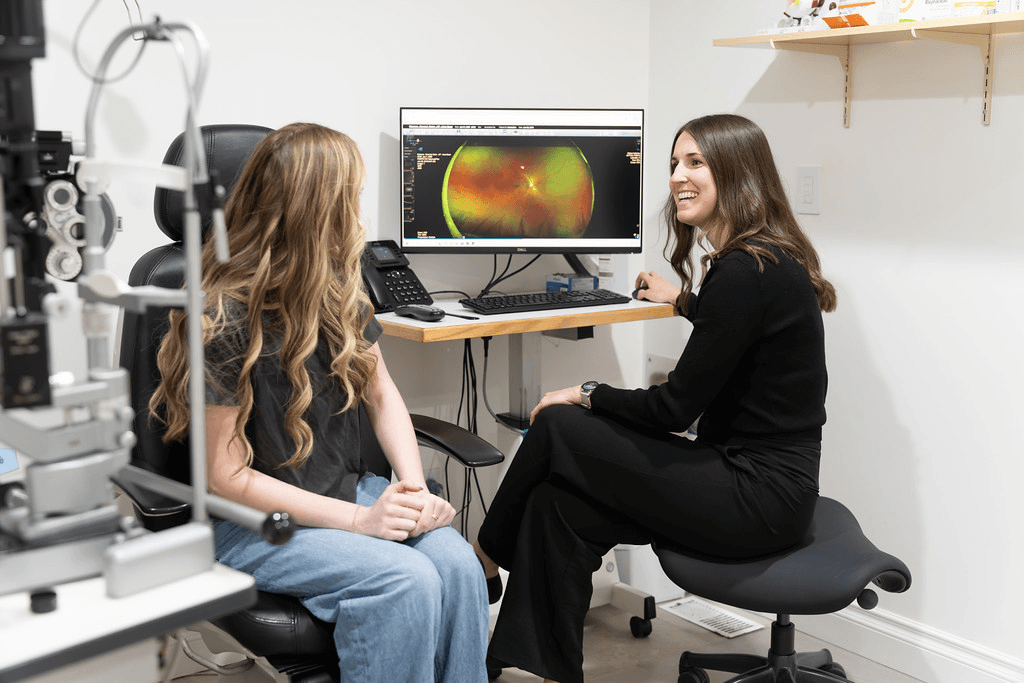
Your appointment starts with a conversation about your symptoms and medical history. The optometrist can ask about your health, your family history, and what you’ve noticed about the twitch.
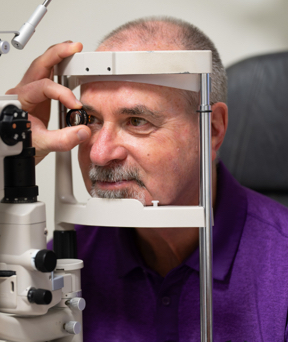
Next, a comprehensive eye exam can help the doctor find possible reasons behind it, including a check for dry eyes and eye strain.
Possible Treatment Options
Your treatment plan will depend on the findings of your eye exam.
- Eye drops or a care plan can help manage dry eyes.
- Prescription glasses can help ease eye strain.
- Injections may help with blepharospasm, a rare, long-term form of eyelid twitching.
Book an Eye Exam at Focal Point
An eye twitch can be a small signal from your body to slow down, rest, or step away from the screen. If yours persists or new symptoms appear, the team at Focal Point Comprehensive Vision Care can help you find answers.
Book an appointment today to have your eyes checked and get a care plan built around your visual needs.